Saturday, 5 February 2022

Lupine Publishers | Final Solution in Femoroacetabular Impingement - Threaded Cups in Hip Revision Surgery 2002-2012

 Lupine Publishers | LOJ Medical Sciences


Abstract

Purpose: Here, we report the complications of endoprosthesis with threaded cups according to our application in cases of complicated acetabulum (hip revisions and femoroacetabular impingement (FAI)).

Methods: A total of 504 patients was analyzed, including 189 men and 315 women. For re-implanted patients (n=49), the mean time to re-implantation was 6.3 years and the average age at re-implantation was 54.7 years. For censored patients (n=455), the mean time to censoring was 5.5 years and the average age of the implant was 55.7 years. Among the patients that were censored, 77 died and 378 patients did not experience an event necessitating re-implantation.

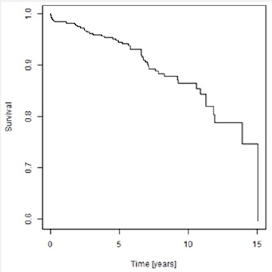
Results: For the total study population, the Kaplan-Meier estimate of 5-year survival is 0.94 and of 10-year survival is 0.85. 90% of the implants survived 7 years, 80% of the implants survived almost 12 years and 70% of implants survived almost 15 years. Kaplan-Meier survival analysis suggests that men have higher survival than women. Age of the patient at the time of implant was not a statistically significant factor for re-implantation (p value=0.21) but sex was (p value=0.02). Women had 2.25 times more risk of being re-implanted than men.

Conclusion: In our case series, the failure rate, as a result of aseptic loosening, was 7.4% (n=51). More than half the failure cases (56%) required re-implantation. Over one-third (37%) of the primary arthrosis cases, were found to be FAI, lessening the frequency of diagnosis of the former. In our clinic, the threaded cup seems to be indispensable in hip revision surgery and in treating FAI.

Keywords: Hip; FAI; Conclusion

Acknowledgements
This article does not contain any studies with human participants or animals performed by any of the authors.

Abstract


In our hospital, the most common indication for hip revision surgery is post dysplastic arthrosis, followed by femoroacetabular impingement (FAI), early progressive and deformative arthrosis of the hip joint and protrusio acetabuli, with cases of achondroplasia or deformative arthrosis in hereditary multiple exostoses being rarer but not uncommon. The cases of post dysplastic arthrosis represent developmental dysplasia of the hip (DDH), epiphyseal dysplasia, spondylo-epiphyseal dysplasia, and proximal femoral focal deficiency (PFFD) or neurogenic luxation of the hip. In our experience, a small portion of the patients requiring hip revision surgery have shown necrosis of the femoral head, manifesting from chondrolysis of the hip joint, from coxitis (including tuberculosis coxitis), from radiation therapy and from hemophilia. In addition, we noted over time, that a small portion of rheumatic patients were treated with the use of threaded cups.

In our experience, we have also noted that a portion of the patients who were treated with threaded cups experienced complications. The complication of posttraumatic arthrosis has not been uncommon, the conditions of which involve slipped capital femoral epiphyisis, acetabular fractures either treated conservatively or operatively, pseudoarthrosis after femoral neck fractures or fusion of the hip joint. Cancer patients have represented a distinctive group for postsurgical complications (including need for re-implantations). The types of cancers related to the original hip revision surgeries have been benign acetabular cysts, Hodgkin’s lymphoma, Ewing’s sarcoma, and giant cell tumor or desmoplastic fibroma in the supra-acetabular region. In our hospital, the ratio of primo-implantation to total implantations has been relatively low and that of re-implantations has been nearly one-third, making threaded cups irreplaceable in hip revision surgery at our institution.

In order to share the knowledge from our collective experience with hip revision surgery using threaded cups for diverse cases, we performed a systematic evaluation of the overall complications our patients have experienced from hip revision over a 10-year period (2002-2012).

Materials and Methods


In the 10-year period of 2002-2012, a total of 565 patients underwent hip revision surgery with threaded cups. Of those, 504 patients had complete data and were selected for analysis (189 men and 315 women). The total study population included 49 patients with re-implantation and 455 patients that were censored. For the re-implanted patients, the mean time to re-implantation was 6.3 years and the mean age at the time of implant was 54.7 years. For the censored patients, the mean time to censoring was 5.5 years and the mean age at implant was 55.7 years (Table 1). Among the censored patients, 77 died and 378 did not experience an event necessitating re-implantation.

Table 1: Descriptive statistics of time to event and age of the patient at the time of implant for the study population. Data are presented in years.


Among the total study population, 16.8% had indication for primary arthrosis. In general, those patients were relatively younger and with early progressive and deformative arthrosis of the hip joint, hip arthrosis with protrusion, and FAI. We also recorded the numbers of achondroplasia patients or deformative arthrosis in hereditary multiple exostoses. When we selected 100 patients from among the group of primary arthroses cases, 37% were found to be FAI, indicating that FAI is secondary arthrosis in origin.

Figure 1: Representative case of high iliac luxation – Hartofilakidis Type III, Crowe Type IV, Eftekhar Type D hip dysplasia, solved with bilateral endoprosthesis (THR) and having visible difficulties with stem implantations.


Patients with post dysplastic arthrosis were the largest group among the hip revision surgery cases (60.3%). These cases included DDH, epiphyseal dysplasia, spondylo-epiphyseal dysplasia, and PFFD or neurogenic luxation of the hip representing nearly every type of difficult anatomical acetabulum for restoration of true acetabular region or for re-lengthening of the lower extremities (Figure 1). Among the total study population, 10.4% had indication of necrosis of the femoral head. These cases consisted of such conditions as chondrolysis of the hip joint, following coxitis (including the stages after tuberculosis coxitis), or necrosis resulting from radiation therapy or in relation to hemophilia (Figure 2).

Figure 2: A patient requiring hip revision surgery following septic coxitis with necrosis of the head of the femur. The patient underwent THR. (a) 3-months post-operative. (b) 6-months post-operative. (c) Aseptic loosening of the cup detected at 9 months follow-up. (d) Re-implantation with larger cup.


Rheumatic patients in our study population had received longterm corticoid therapy; among these patients, osteoporosis and necrosis of the femoral head is common. The threaded cup was used in 3.2% of this study subgroup. The rheumatic patient group also included several cases of ankylosing spondylitis (also known as Bechterev’s disease) and juvenile rheumatoid arthritis. Regarding the difficult anatomical acetabulum of these cases, 7.7% of the patients implanted with threaded cups experienced posttraumatic arthrosis, the conditions of which involved slipped capital femoral epiphyisis, acetabular fractures either treated conservatively or after osteosynthesis, pseudoarthrosis after femoral neck fractures or conditions after posttraumatic arthrodesis of the hip joint.

Among the total study population, rare indication was oncological status (1.6%). Such cases consisted of benign acetabular cysts, Hodgkin’s lymphoma, Ewing’s sarcoma, giant cell tumor or desmoplastic fibroma in the supraacetabular region. When we compare threaded THR primo-implantations to total number of primo-implantations at our institution in the 10-year study period, there was an average 13.1% of primo-implantations. The same comparison for the re-implantation group showed that we used the threaded THR 27.2% on average, making this treatment modality indispensable in hip revision surgery at our institution.

Figure 3: Representative case of cup breakage due to loss of bone in the supero-lateral part of the acetabulum affected with metastatic process.


We noticed aseptic loosening of the cup in 48 cases, of which 18 cups loosened after primo-implantation and 29 loosened after re-implantation, giving a failure rate of over one-half (56%). This high percentage is largely due to the area of implantation being technically difficult, which necessitated the use of a different device (i.e. the threaded cup); the rest represented failure of the cups after acetabular fractures (2 cases) and after metastatic affections surrounding the acetabulum (2 cases). Dislocations of the THR occurred in 4.4% (30 cases) of the study population, and 15 of the cups required operative intervention. In 5 cases, open reduction was enough; in 9 cases we re-implanted the inlay or head with one of a bigger size, and in 6 cases we performed re-implantation of the stem or cup to correct the position of the implant.

There were infectious complications in 3% (21 cases) of the study population. In 17 of those cases, a revision procedure was required, including 5 revisions to address an early superficial infection and 2 revisions for deep infection. Proper drainage with retained implant was achieved in all cases. A total of 13 patients remain in follow-up to date, including 3 patients with chronical fistulation, 8 patients who underwent two-stage re-implantation of the THR, and 2 patients who underwent implant removal and had no further re-implantation.

There was slow migration of the implant into the pelvis or up into the iliac bone without obvious loosening in 2.3%. This migration is likely explained by loosening of the circumferential grip of the cortical bone, when the anterior and/or posterior acetabular wall is weakened. In such a condition of cortical weakening, the underlying cancellous bone does not have enough mechanical strength and thus the cup migrates (Figure 4).

Figure 4: Representative case of slow migration up into iliac bone, with loosening at 8 years after the primary implantation.


Graph 1: Kaplan-Meier survivor analyses.


Considering the threaded cup concept, we have observed stress shield effect often. Since the stress shield exerts its effect in cup migration, focused follow-up is necessary to obtain meaningful findings. The advantage of a threaded cup is that there is no need of full coverage. In particular, 70% of coverage is sufficient, without need of augmentation [1]. In addition, arthritis with protrusion (FAI pincer type) is one of the indications for the threaded cup since those cases do not need support of the acetabular floor. Implantrelated complications are to be considered as neuro-vascular complications. Among our study population, there was a total number of 10 nerve palsies (1.5%), 4 of which had to be operated; two of those patients underwent sural graft transplantation due to femoral nerve cutoff, [2] and the other two underwent the same procedure for static nerve palsy, with one requiring simultaneous anterior tibial tendon transfer. In one case, we released the lateral cutaneous nerve (Graph 1). The Kaplan-Meier survical curve suggests that men have higher survival than women do (Graph 2).

Graph 2: Kaplan-Meier survivor curve for men and women, showing the association of time to event to sex.


Age of the patient at the time of implantation was not statistically significant (p value = 0.21). Sex was a statistically significant factor (p value 0.02). Women had 2.25 times more risk of being re-implanted than men (Table 2).

Table 2: Cox model of proportional hazard for patient sex, showing dependence of time to event with age at the implant and sex.


Conclusion

 Aseptic loosening reportedly occurs in around 6.5% of implanted patients at 4 years following placement [3]. In one study the radiological sign of instability was found in 21% of patients (n =130) at a mean follow-up of 3.9 years [4]. In another study [5], 17 cups (accounting for 25% of the cases assessed) were revised at an average of 5.2 years, with another 9 additional cases awaiting revision. Brujin et al. [2] reported migration for 25% of threaded cups in a follow-up of 4.5 years, and a 6% revision rate. It has been suggested that high and continuous stress near the threads may not allow bony in-growth [6] and may produce ischemia and necrosis [7] that require surgical revision in 14 months following the implantation surgery [8].

Discussion

Overall, 7.4% of our patients experienced loosening of the threaded cups and 3% experienced infectious loosening, which agrees with the literature [9,10]. In general, loosening of threaded cups does not give a good clinical and/or radiological outcome over the long term. X-ray appearance deteriorates with time, without evidence of an initial clinical correlation. The appearance of relative lines does not necessarily equate to the occurrence of loosening, but such a finding should be monitored carefully thereafter. Detection of osteolysis, however, indicates that loosening will occur [11]. A study by Harris et al from 1986 indicated that 79% of coxartosis cases originated from the cam impingement, with the rest by rheumatoid arthritis (21%) and hemochromatosis (10%).

In our series, when we compared 100 patients admitted for the THR procedure, 37% showed FAI signs, with the average age of implantation being 58 years old. There were 23% post-DDH cases, 11% idiopathic avascular necrosis, 17% post-trauma cases, and 12% others; thus, the diagnosis of primary arthrosis is much less common. FAI both types are finally resolved by a THR and indicated much earlier than primary arthrosis. As changing in orientation of the acetabuli we use these threaded cups, [12] more in pincer type of the FAI, where orientation is essential. We don’t necessarily use these cups, though in special cases we have to prefer primary stability to have good long-term results. The failure of the threaded acetabular component is due to difficulties of anatomy of the acetabulum, as observed in the cases in which we used this component.

Even though we decided to use this special design of threaded cup, despite its higher rate of complications, we were able to resolve one-third of our re-implantation cases and to overcome the difficulties of the acetabulum in FAI [13,14]. Kaplan-Meier survival curve analyses identified threaded cups as a good option (with survival of 10 years); the Cox proportional curve indicated higher risk for re-implant for women. Even though we investigated THR as a last option for patients with FAI, pelvic transfers or any cervicocapital remodeling may also represent last options. Ultimately, this study did not show the threaded cup to be ideal for complicated acetabulum, though in our clinic it is ideal for this diagnosis.

Read More Lupine Publishers Medical Sciences Journal Articles: https://lupine-publishers-medical-sciences.blogspot.com/


Tuesday, 11 January 2022

Lupine Publishers | Heart-Lung Machine: Seven Decades of Challenging Work

 Lupine Publishers | LOJ Medical Sciences


Opinion

Heart-lung machine (HLM), also called oxygenator pump or cardiopulmonary bypass (CPB) pump (Figure 1), aims to provide extracorporeal circulation (ECC) with maintenance of oxygenated blood flow to the body organs when the device is connected to the arteriovenous system. The HLM is an essential component of openheart surgery to bypass the circulatory system of the heart and lungs, termed CPB. The main principle is to draw the blood from the major veins (venae cavae) to an oxygenator in the HLM where it is re-oxygenated, and then pumped into the arterial system (ascending aorta). Additionally, the myocardial contractility during CPB can be halted by running a cardioplegic solution containing potassium citrate. The initial concept to constitute an artificial circulation and hence CPB was stated in the 19th century on the basis that the contractility of muscle could be restored by perfusion of an oxygenated blood under pressure to enable better perfusion of isolated organs. Therefore, there was a need to develop an artificial heart-lung system to perfuse an oxygenated solution without interruption of blood flow, which became a real in the beginning of the 20th century after discovery of the ABO blood group system to reduce inconveniences of incompatibility, in addition to discovery of heparin to inhibit coagulation [1].

Nowadays, no one can ignore the great clinical role of heartlung machine (HLM) in the development and progress of cardiac surgery, since the first successful clinical use of CPB by John Gibbon Jr on 1953. The practical routine uses of CPB for open heart surgery began in 1955, thanking to the efforts of John Kirklin and Walton Lillehei [2]. Thereafter, many technical and practical advances occurred in HLM and perfusion science in line with advancements in anesthesia and cardiac surgery, to reach about seven decades after its first clinical application with contemporary important developments and promising future. Since its incorporation for cardiac surgery, subsequent important developments have been driven to HLM and CPB. The improvements allowed an increase in the operative time, better myocardial protection, and extension of open-heart surgery to include patients at extreme age or those who have inoperable conditions [3]. The oxygenators of HLM have passed by many transitions from disposable biologic oxygenators in 1960s, to microporous polypropylene oxygenators in 1970s, hollow-fiber oxygenators in 1980s and 1990s, nonporous true diffusion membrane in 2000s, and more recently screen microfilters to eliminate the need for a separate arterial line. The initial Sigmamotor finger pumps arterial pumps were replaced by roller pumps, centrifugal pumps, and pulsatile mode pumps. In addition, the technical advances in HLM and CPB include improvements in arterial cannulation, venous drainage and cannulation, temperature management, anticoagulation therapy, hemofiltartion, organ preservation, brain protection, and monitoring [4].

The developments in the ECC technology, particularly the use of centrifugal pumps and nonporous true diffusion membrane, lead to development of partial CPB termed extracorporeal membrane oxygenator (ECMO) to prolong life-support systems for patients with heart and/or lung failure [5]. Currently, ECMO is used as a technique to treat critically ill patients with cardiogenic shock and cardiac arrest, to obtain worldwide use of ECMO further improvements in circuit design, oxygenator technology, and portability are required [6]. Despite seven decades of continuous improvements in ECC and HLM, the device was not without its faults because of the possible complications related to inflammatory response, hemodilution, coagulation abnormalities, cerebral dysfunction, and endothelial damage. Multiple strategies have been introduced to reduce the severity of the associated systemic inflammation and organ dysfunction, including anti-inflammatory drugs, novel pharmacologic components of the CPB, and modified surgical techniques, but the efficacy of these strategies is controversial [7,8]. To avoid the unfavorable consequences during coronary artery bypass grafting (CABG), exclusion of CPB namely off-pump coronary artery bypass (OPCAB) have been advocated and widely used since its introduction on 1990s [3,9].

Despite the theoretical benefits of OPCAB in reduction of myocardial injury, stroke, neurocognitive impairment, and cardiac mortality, comparisons of OPCAB with on-pump CABG showed favorable short-term and doubtful long-term outcomes. In comparison to on-pump CABG, the benefits of OPCAB regarding reduced need for blood transfusion and reduced postoperative hospital stay may be outweighed by the risk of incomplete ineffective revascularization, with current decline in the worldwide rates of OPCAB [9]. A debate remains regarding the use of HLM as it is an essential element of cardiac surgery, but its use is still faced by some limitations which may constitute more challenges for future investigations. In other words, CPB has a rapid evolution since the clinical introduction of HLM until the current remarkable safety but its perfection is still pending.

In conclusion, invent of HLC with development of CPB constitute the real breakthrough for cardiac surgery. Through approximately seven decades, the clinical evolution of HLM and CPB with a reduction of its early complications encouraged the performance of more cardiac procedures and the involvement of more population in open heart surgery including those with comorbidities and advanced age. However, the complications of CPB remain possible in relation to the associated hemolysis and inflammatory response which indicates more future work to eliminate any intricacy.

Read More Lupine Publishers Medical Sciences Journal Articles: https://lupine-publishers-medical-sciences.blogspot.com/


Friday, 10 December 2021

Lupine Publishers | A Review on Management of Psychosis using Pharmacological Strategies. instead of Psychiatric drugs in medical setting

Lupine Publishers | Journal of Medical Sciences


Abstract

Psychiatric symptoms are very frequent in medical practice, up to 40% of the people that have physical problems present anxiety or depressive symptoms associated to physical illness. Due to this, psychiatric liaison is an important part of hospital attention and many people usually have psychiatric drugs associated to other treatments. In the second half of the last century, many clinicians mostly psychoanalytically oriented-have opposed the use of psychoactive drugs for the treatment of mental illness, particularly in the course of psychotherapy, arguing that they suppress conflicts and states of mind considered essential for the understanding of suffering. Furthermore, psychoactive drugs were supposed to have a negative influence on psychotherapy by making it less effective. In reality, in 1974 research demonstrated that integrated therapy (i.e. combined use of medication and psychotherapy) is not harmful to the patient but is actually useful. However, the conflict between pharmacotherapy and psychotherapy had already made a great disservice to patients, sometimes delaying the required drug treatment (e.g. the importance of duration of untreated psychosis for the prognosis of schizophrenia) or other avoiding effective psychological interventions that could lead to a better quality of life and reduce the risk of suicide. This may be the case when considering dialectical behavior therapy (DBT) or exposure and response prevention (ERP) techniques in cognitive behavioral therapy (CBT) for borderline personality disorder (BPD) and obsessive-compulsive disorder (OCD), respectively. Unfortunately, today, despite a much-vaunted integration of treatments, on the one hand we often deal with reductionist attitudes that judge psychotherapy as irrelevant and consider drug therapy alone sufficient for treatment. On the other hand, we deal with extreme psychological assumptions that consider psychiatric illness as a social problem and treatable solely and only-through psychosocial interventions, including psychotherapy. Over time, psychiatry seems to move from a “brainlessness” approach to a “mindlessness” one. In fact, before the introduction of psychoactive drugs the psychiatrist’s attention was almost exclusively on unconscious and intrapsychic conflicts supposed to affect the mind (as separate from the brain). After 1956, attention moved to neurotransmitters and other aspects of the brain, consequently with an extensive use of drugs and less interest for the exploration of the life stories of patients and focused on symptoms. Therefore, a biological model of mental illness prevailed, causing an important crisis for psychotherapy. In my opinion, the cause of this crisis is simple: psychiatry reductionists, using data from scientific research, support the biological causes of psychiatric illness (e.g. excess dopamine, serotonin deficiency, etc.), and therefore were supposed to be able to say when, how and why a treatment protocol is effective, describing the mechanisms of action, therapeutic effects, limitations and side effects.

Keywords: Psychiatric drugs; Psychotherapy; Psychosis; Dialectical behavior therapy; Cognitive behavioral therapy; Obsessive compulsive disorder

Abbreviations: DBT: Dialectical Behavior Therapy; ERP: Exposure and Response Prevention; CBT: Cognitive Behavioral Therapy; BPD: Borderline Personality Disorder; OCD: Obsessive-Compulsive Disorder; SSRI: Serotonine Selective Reuptake Inhibitors; AP: Antipsychotics

Introduction

Psychiatric drugs usually are classified into six great families depending on their principal focus of action or their use in the main psychiatric disorders:

Antidepressants

These drugs act on depressive illness through the action on various neurotransmitter systems: serotonine, noradrenaline and dopamine. The most used of these are SSRI (serotonine selective reuptake inhibitors), because of their efficacy and good profile of side effects.

Antipsychotics

They are used in the control of psychotic symptoms and as major tranquilizers. Antipsychotics are classified on first generation and second generation. The first of them act upon dopamine receptors and the second ones upon serotonine and dopamine receptors to have antipsychotic effects. These second-generation substances have less side effects and a different profile of action.

Anxiolytics

The most widely used are benzodiacepines, which act upon a specific GABA receptor. This family of drugs has a very quick effect, but they aren’t recommended for a long time use because they can produce dependence and their effects are limited. They are also used like anticonvulsants.

Antiepileptics

This group of drugs is used in psychiatry for the maintenance and control of bipolar disorders, and they are useful too like anti aggressive drugs. The therapeutic drug monitoring is necessary when some of these substances are administrated because of their potential toxicity and the pharmacological interactions with other treatments.

Lithium

It is a salt used for control of manic symptoms and maintenance of bipolar disorders. Its action mechanism is unknown, despite its usefulness and generalized utilization. It’s necessary to control its plasmatic level into a tight range to avoid toxicity and to achieve its function.

Other drugs widely used in psychiatric disorders: methadone, anticholinesterases, stimulants, alcohol aversive are also important due to their side effects and their pharmacologic interactions [1].

Antidepressants

First antidepressant drugs were a casual finding and they affect to various neurotransmitters systems. Usually these old drugs produce many secondary effects. Afterwards, some hypotheses have emerged about the neurotransmission implicated in depression (monoamines: serotonin, noradrenalin and dopamine). Drug development progresses in parallel to this investigation so more selective drugs appeared as Selective Serotonin Reuptake Inhibitors, (from now on SSRIs), ameliorating secondary effects. Antidepressant classification depends on the assumption of their action mechanism. Following that schema, there are eight different pharmacological mechanisms at least. Most of the antidepressants block monoamine reuptake, but others block alpha-2 receptors or monoaminoxidase enzyme [2].

Monoamine reuptake inhibitors

Tricyclic and tetracyclic antidepressants (TCA)

The tricyclic and tetracyclic branch of antidepressants has a demonstrated and high efficacy, only limited by their sedative and anticholinergic effects. They act on a huge number of receptors, and are cardiotoxic in case of overdoses, as anticholinergic toxicity and convulsions.

a) Pharmacological actions: A significant part is absorbed totally after oral administration. They have a significant metabolism by first-pass. Maximum plasmatic concentration is reached in 2-48 hours, but equilibrium appears after 5-7 days. Their long halflife allows them to be used once in a day. Clearance of tricyclics is dependent primarily on hepatic cytochrome P450 (CYP) oxidative enzymes.

Main therapeutic indications

a) Depression: Treatment of one major depressive episode and prophylaxis of one major depressive episode (main directions); depression in Bipolar type I disorder (in resistant cases, with many precautions to prevent swinging: associated with anticonvulsants or lithium); one depressive episode with psychotic manifestations almost always requires the simultaneous administration of an antipsychotic drug and an antidepressant; Disorder mood due to a general medical disease with depressive features.

·  i. Panic disorder.

·  ii. Generalized anxiety disorder

·  iii. Obsessive-compulsive disorder: clomipramine especially. None of the others seems so effective.

·  iv. Others: Alimentary conduct disorder and pain disorder.

Serotonin Selective Reuptake Inhibitors (SSRIS)

Serotonin is a neurotransmitter especially relevant in neurobiological basis in affective disorders, compulsive-obsessive disorder, and aggressive behavior. SSRIs block the serotonin reuptake bombs action, augmenting serotonin concentration in synapsis and post synapsis receptors’ occupation. Though this effect appears early during treatment, clinical effects delay 3-6 weeks. They are metabolized at liver, present a low affinity except for serotonin receptors, are enough sure in overdoses, change sleep structure (reduce latency and total amount of REM sleep) and might be avoid used with MAOIs, due to the risk of serotoninergic syndrome.

a) Therapeutic indications: Depression; Anxiety disorders, including Obsessive-Compulsive Disorder, Bulimia nervosa, Psychosomatic disorders [3].

Noradrenalin selective reuptake inhibitors

It selectively inhibits the reuptake of norepinephrine, but it has little effect on the reuptake of serotonin or dopamine. It is structurally related to fluoxetine. It has little affinity for muscarinic receptors or cholinergic and does not interact with the alfa1, alpha2, adrenergic beta, serotonergic, dopaminergic or histaminergic receptors. Therefore, SSRIs and reboxetine have some complementarity effects and are used together in the clinic in some resistant depressions.

a) Medical indications: Depressive disorders and social phobia. Adverse reactions: the most common are: faltering urination, headache, constipation, nasal congestion, sweating, dizziness, dry mouth, decreased libido, insomnia. Hypertension and tachycardia can appear at high doses, as well as psychomotor retardation if it is taken with alcohol. The syndrome of inappropriate secretion of antidiuretic hormone is exceptional. Precautions: contraindicated in pregnancy and breastfeeding. The doses must be reduced in elderly patients and serious renal impairment.

Inhibitors of the reuptake of serotonin and norepinephrine

Venlafaxine

It is a potent inhibitor of the reuptake of serotonin, at higher doses inhibits the reuptake of noradrenaline and slightly inhibits the reuptake of dopamine. The absorption is good at digestive level and suffer important hepatic metabolism, by CYP 2D6 isoenzyme, so some SSRIs isozyme inhibitor drugs may increase plasma levels of venlafaxine, giving effects at low doses which are resolved once the inhibitor drug is withdrawn.

Duloxetine

Like venlafaxine, it inhibits the reuptake of both serotonin and norepinephrine, Duloxetine has a minimal affinity for dopamine and histamine receptors. It has significant hepatic metabolism, with many metabolites. It’s a moderate inhibitor of CYP 2D6. Its excretion is renal [4].

Inhibitors of the reuptake of norepinephrine and dopamine (bupropion)

It is usually more effective on symptoms of depression than anxiety and quite useful in combination with SSRIs. It has some dopaminergic effects and therefore can induce mild psychostimulant effects. The mechanism of action is not known with accuracy. It seems that weakly inhibits the reuptake of dopamine, raising levels of it in the nucleus accumbens. This increase in dopamine levels in the “area of reward” of the brain may be responsible for the use of bupropion in the cessation. Some data indicate that it exerts its antidepressant effects

increasing the functional efficiency of the noradrenergic systems. Apparently, it has no effect on the serotonin system, so it is not effective to block panic attacks.

Serotoninergic modulators: Trazodone

Its mechanism of action is the modulation of serotonergic neurotransmission; it is a relatively specific inhibitor of the reuptake of serotonin. It does not cause any anticholinergic effects. It has Alfa1 adrenergic antagonism and antihistaminergic activity, so has more sedative effects than other antidepressants. The sedative effects appear to one hour after administration and antidepressant effects at 2-4 weeks.

Monoamine Oxidase Inhibitors (MAOIs)

They inhibit the enzyme MAO, who is responsible for the oxidative deamination of neurotransmitters such as serotonin, norepinephrine, or dopamine. There are two ways for MAO enzyme: MAOa and MAOb. The MAOa metabolizes the monoaminergic neurotransmitters more closely associated with depression (norepinephrine and serotonin). The MAOb acts upon some aminergic substrates, called protoxins, toxins that can cause neural damage. Therefore, the inhibition of the MAOa is associated both hypertensive effects and therapeutic effects. Inhibition of the MAOb is associated with the prevention of neurodegenerative disorders, such as Parkinson’s disease processes. The MAO is widely distributed in the body. The blockade of the MAOa in the gastrointestinal tract is responsible for the “cheese effect”. It consists of a severe hypertensive crisis that occurs in patients who are taking MAOIs and ingest food containing tyramine. Tyramine is usually metabolized in the digestive tract but the blocking of the MAOa allowed their passage into general circulation. So, patients in treatment with IMAOs must follow a tyramine-restricted diet. They exert their effects primarily in the CNS. They act on the mood, decreased sleep and insomnia and daytime sleepiness. They are characterized by a significant reduction of REM sleep. The MAOIs are not considered antidepressants in frontline due to restrictions in the diet, its pharmacological interactions and its broad side effect profile.

Classic and second-generation antipsychotics

Classic antipsychotics

Among classis antipsychotics (AP) there is no one that has a clear superiority over the others, so choice must be made depending on previous response or side effects profile. The AP are well absorbed orally, although their bioavailability is altered with the intake of certain foods, coffee, calcium antacids and excessive consumption of nicotine, which can reduce the absorption from the intestinal tract. They have great solubility and easily cross the blood-brain barrier. Classic antipsychotics include: Clorpromacine, levomepromacine, flufenacine, perfenacine, trifluoperacine, haloperidol, zuclopentixol, molindone, and pimocide. The AP show a great affinity for plasma proteins (85-90%), which involves risk of toxicity when other drugs that also bind to proteins are running simultaneously. On the other hand, given that they pass easily through the blood-brain barrier, concentrations achieved in CNS doubles those that are quantified in the peripheral circulation. They also cross the placental barrier, reaching to the fetus during pregnancy. Due to their lipophilic properties, antipsychotics are stored in the peripheral fat, so dialysis is ineffective in cases of overdose. Traditional antipsychotic drugs are metabolized in the liver via hydroxylation and demethylation in cytochrome P450 processes. Some, such as haloperidol, suffer an additional glucuronidation and remain active as dopamine antagonists. Major isozymes in the metabolism of these drugs are the 2D6 and the 3A4. It is estimated that between 5 and 10% of individuals in white, and one much higher proportion of black individuals are slow track metabolizers of cytochrome P450 2D6, so it is predictable that submit side effects with a greater frequency and severity. The AP are removed primarily by urine and feces, through bile, but also by the saliva, tears, sweat, and breast milk. The elimination halflife varies between 18 and 40 hours. In the elderly, who often have impaired kidney function to a greater or lesser extent, physician should proportionally reduce the dose.

Atypical or Second-Generation Antipsychotics (SGA)

Clozapine produces a total blockade of D2 receptors, so it does not cause extrapyramidal symptoms. Properties of clozapine are due to the combination of a low affinity for the D2receptors along with strong affinity to serotonergic 5HT2A and 5HT1C, adrenergic and cholinergic receptors. Clozapine joins less intensely this receiver, which is displaced by endogenous dopamine. This property is present in many SGA, not only clozapine, so these drugs cause fewer movement disorders as side effects. The indication of clozapine is the treatment of schizophrenia in patients who do not respond (after at least two months of treatment at appropriate doses) or that they do not tolerate the AP, although occasionally prescribed for other purposes such as the treatment of psychosis by L-DOPA in Parkinson’s disease patients with mania. It can produce leukopenia, so it’s important to control it weekly during the first six months of treatment and every fifteen days from then. However, it should be noted that this risk is low, less than 1%. Other adverse effects are orthostatic hypotension and tachycardia, increased sedation, and the decline of the seizure threshold with the consequent risk of convulsions in 5-10% of cases. Some patients develop a symptomatic complex called metabolic syndrome which consists of weight gain, increased insulin resistance, increased risk of diabetes type 2, and elevation of plasma lipids. Clozapine may increase plasma levels of enzymes such as transaminases GOT and GPT (alanino aminotransferase and aspartate aminotransferase), alkaline phosphatase, gamma glutamiltranspeptidasa (GGT) and lactate dehydrogenase.

Risperidone

Its mechanism of action is mediated by its high affinity for D2 receptors, 5HT2A receptors and the adrenergic α1 and α2 receptors. Unlike haloperidol shows a low affinity for muscarinic receptors for which leads to fewer anticholinergic effects. With a similar effectiveness or even something greater than haloperidol, involves a greater tolerance, although risperidone at high doses can also cause extrapyramidal symptoms. It is considered an SGA first line in the treatment of psychoses with particular effectiveness in the prevention of recurrences. It has been used in child psychiatry in the treatment of aggressive and serious behavior disorders. There is an increase in brain-vascular accidents in connection with the use of risperidone and olanzapine in elderly patients with dementia, a complication which advised the prescription of this drug with much caution in such patients. There is a long-acting form of risperidone that can be used twice a month in injection for maintenance treatment.

Olanzapine

Its main indication has been the treatment of schizophrenia, acute episodes of mania and maintenance of bipolar affective disorder. Its structure is similar to clozapine and its mechanism of action is unknown, although it has a stronger affinity for the receptor 5HT2A than by the dopamine receptor D2. Olanzapine also acts at various levels, interacting with D1 and D2 dopaminergic, 5HT2A serotoninergic, H1 histaminergic, and muscarinic receptors. Among his include anorexia nervosa, post-traumatic stress disorder and borderline personality disorder where, at low doses, it seems to improve objectives such as aggression and impulsiveness parameters. Olanzapine is metabolized in the liver by oxidation and glucuronidation by cytochrome P450 isoenzyme 1A2. In smokers it must be important to adjust the dose, since the consumption of cigarettes induce 1A2 isozyme and increases drug elimination. The main adverse effect that occurs in patients in treatment with olanzapine is weight gain, so, an important risk that must be considered in relation to this and other drugs which produce significant weight gain is the metabolic syndrome. Other side effects of olanzapine are: sedation, elevation of prolactin, leukopenia (without agranulocytosis), and decrease the seizure threshold. Olanzapine carries a lower risk of episodes of Parkinsonism, dystonia and tardive dyskinesia.

Quetiapine

It has clozapine similar profile, with a moderate affinity to D2 receptors and moderate-intense to 5HT2 serotoninergic receptors. It is a partial agonist of 5HT1A receptors, which increase dopamine concentrations in mesocortical area, improving cognitive and negative schizophrenics symptoms. It produces few extrapyramidal symptoms and risk of tardive dyskinesia. These features make it the choice for the treatment of disorders of behavior in Parkinson’s patients and patients treated within the framework of liaison psychiatry. Undesirable side effects are sedation and weight gain with alteration of glucose and lipid metabolism. However, it does not produce a significant increase in prolactin levels Quetiapine is metabolized in the liver by the cytochrome P450 3A4 enzyme, so drugs that produce a large inhibition of the isozyme (such as erythromycin) may increase their serum levels. Carbamazepine and phenytoin reduce levels of quetiapine as behave as enzyme inducers forcing adjust the dose to avoid possible relapse in patients who are simultaneously being treated with these drugs.

Ziprasidone

It has high antagonism of 5HT2A, 5HT1D, 5HT2C serotoninergic and D2 dopaminergic receptors. It has a low tendency to cause extrapyramidal effects because them high ratio 5HT2A / D2 and its low affinity for adrenergic, muscarinic and histaminergic receptors. Ziprasidone is metabolized in the liver by isoenzymes 3A4 of the P450, through a process of reduction effect of aldehyde oxidase. Its bioavailability increases when ziprasidone is administrated along with food. This compound intensely joins proteins and has not been shown to see displaced by other drugs with similar affinity. In addition to the indication in the acute treatment and maintenance of schizophrenia, given that it exists in injectable presentation, you can use in patients who do not collaborate in the taking of oral medication and in emergency situations characterized by agitation or serious behavior disorders. It is the antipsychotic with a lesser influence upon weight. The most frequent adverse effects are drowsiness, insomnia, constipation and nausea. Normally these effects tend to be temporary and, in general, ziprasidone is well tolerated.

Amisulpiride

While it has no affinity for subtypes D1, D4 and D5 presents affinity on the D2 and D3 of the dopamine receptor subtypes. Unlike other AP, it has no affinity for serotonergic, adrenergic, cholinergic and H1 histaminergic receptors. An important feature that distinguishes it from other antipsychotic group is its low liver metabolism which must be taken into account within the framework of the psychiatric consultations when treating patients with liver failure that you do not need to adjust the dose. Their degree of plasma protein binding is low (around 16%). The drug is eliminated through the kidneys in 90% during the first 24 hours. In patients with severe kidney disease dosages should be reduced.

Aripiprazol

This is a partial agonist of dopamine receptor D2, D3 and serotonergic 5HT1A and works as a 5HT2A serotonin receptor antagonist. In some situations, aripiprazole would act as an antagonist and in others as agonist. That way there would be a selfregulation of dopamine, so the drug would act as antidopamine at the mesolimbic via and as prodopamine at the mesocortical via, without significantly affecting the nigroestriada or the tuberoinfundibular paths. Its theoretical advantages would be improvement in cognitive aspects and motor effects in the long term such as tardive dyskinesia. It is metabolized in the liver by isoenzymes of the cytochrome P450 3A4, and 2D6 so that compounds which interact at this level (carbamazepine, quinidine, ketoconazole, fluoxetine and paroxetine) could alter the plasma concentrations of aripiprazole. It is a well-tolerated drug that does not affect significantly the weight or the levels of prolactin for patients, or metabolism of glucose and lipids. The most frequent side effect is drowsiness.

Paliperidone

It is an active metabolite of risperidone. It presents a great affinity for 5HT2A receptors and moderated by the D2 receptors, with a lower lipophilicity than risperidone. The pharmacological activity of this compound is similar to another high-power SGA. The receptor binding profile is similar to risperidone and ziprasidone, though unlike risperidone and another SGA it has a low rate of hepatic metabolism. Its adverse effects are similar to the risperidone although they produce a greater increase in the rate of hyperprolactinemia [5].

Benzodiacepines

Go to

Benzodiacepines (BZD) are CNS depressors with anxiolytic and hypnotic-sedative properties, and antiepileptic and muscle relaxing effects. They are more secure in overdoses than barbiturates and other sedative drugs. They have similar action mechanism and side effects, and differ in onset time and activity duration, which is relevant in treatment and indications. Absorption in the gastrointestinal tract is very good, especially on an empty stomach, so that the oral via is the choice for these agents. Diazepam and clorazepate are absorbed more quickly than the others. Other routes of administration are less recommended and should be reserved only for cases of urgency: the intramuscular absorption is erratic and intravenous absorption can be dangerous. The BZD are lipophilic agents, so cross the blood-brain barrier well, exerting their action at the level of the central nervous system quickly. They also cross the placental barrier and are excreted through breast milk. Furthermore, their solubility makes that most of them are accumulated, gradually, in body fat resulting in a high volume of distribution, which directly influences the duration of the action. The biotransformation is at hepatic level through a process of oxidation and conjugation. Some BZD (such as the diacepam or cloracepato) have pharmacologically active metabolites which, sometimes, even have longer life than the active ingredient. In addition, should consider that in the healthy elderly these processes are altered, so you have to choose BZD not metabolized by microsomal liver enzymes and without active metabolites as oxazepam or lorazepam. They are eliminated on a majority basis through the kidneys (70- 90%), after their hepatic metabolism. The rest are eliminated through the stool or bile. All BZD’s action is at CNS, by their ability to enhance the inhibitory actions of GABA, stimulating the GABA-A receptor. It is believed that their anxiolytic action is due to the inhibitory action on neurons in the limbic system, including the amygdala, and serotonergic and noradrenergic neurons of the CNS. The fact that ethanol, barbiturates, and BZD have similar actions on the same receptor explains their drug synergy (and therefore the danger of the combined overdose) and its cross tolerance. This last property is used in the detoxification of alcoholics with BZD [6].

Drugs used in opioid addiction: Methadone

Methadone is an opioid analgesic with an outstanding action on the mu receptor. In cases of opioid dependence methadone is useful for treatment of detoxification, maintenance, and harm reduction.

Special situations

Opioid analgesics are generally contraindicated in acute respiratory depression, obstructive respiratory processes and patients in treatment with opioid antagonists (naltrexone). They are also contraindicated or should be used with great caution in alcoholism, seizure disorders, head injuries and processes that have increased intracranial pressure. They must not be administered to patients in a coma. In patients with biliary disorders it’s usually recommended to avoid the use of opiates. Opioid analgesics should be administered with caution or dosage reduced in patients with: hypothyroidism, adrenocortical insufficiency, asthma, or decreased respiratory reserve, kidney or liver failure, prostate hyperplasia, hypotension, shock, inflammatory or obstructive intestinal disorders and myasthenia gravis. The dose should be reduced in elderly or debilitated patients. Methadone can prolong cardiac QT interval, increasing the risk of torsades de pointes, which implies risk of sudden death.

Renal failure and psychoactive drugs

If the drug is dialyzable, such as lithium, it will experience a sharp decline in its blood levels after dialysis, so post-dialytic of such drugs levels should be obtained to determine what amount is provided after the process. Certain drugs that are metabolized / eliminated by the kidney will accumulate, with the risk of toxicity, despite not using high doses of these, so that such drugs should be avoided or give at lower doses. In general, the doses to be used will be two-thirds of the usual doses of the drug, except drugs with primarily renal elimination, in which will have to evaluate the clearance of creatinine (ClCr) as an indicator of renal function and the dose to use of the drug. Plasma levels of the drug in question must be controlled, at least once a month, and immediately after the initial dose of medication must provide wherever possible. In renal failure protein binding is lower than in healthy individuals, so usually there is a greater amount of free drug in plasma, with higher therapeutic and side effects. The higher protein binding, the lesser dialyzable is the drug, what it’s important to prescribe lower doses. In general, most of the psychotropic substances aren’t dialyzable, except lithium, gabapentine, pregabaline and others [7].

Conclusion

Psychiatric medicines have changed the lives of people with mental illnesses for the better and many people have gone on to live fulfilling lives with the help of these medicines. Today, there is a wide range of safe and effective medicines available to treat these illnesses and it is important to know the medicines that your doctor prescribes to you. Besides knowing what they are and what symptoms they treat, it is good to be aware of some of the side effects so that you would be able to talk to your doctor about them. Adhering to medication dosages and schedules is important. If you wish to adjust the medication routine, please consult your doctor as abruptly stopping some of these medicines may cause a Discontinuation Syndrome, with either a worsening of earlier symptoms or the appearance of other physical or psychological symptoms.

Read More: Lupine Publishers Medical Science Journal Articles: https://lupine-publishers-medical-sciences.blogspot.com/ 

Friday, 3 December 2021

Lupine Publishers | Barriers to the Pap Smear in Women of Fertile Age

Lupine Publishers | Journal of Medical Sciences

Introduction

The cervical cancer (CC) is one of the main threats against women life; it is estimated that right now in the world, this disease affects over one million women and most of them have neither been diagnosed or have access to a treatment that could save them or extend their life. In 2012, the World Health Organization (WHO) reported that it was diagnosed 528 000 new occurrences, and 266 000 women died of this disease, over 90% of them happened in countries with medium to low income. It is predicted, without immediate attention, the deaths caused by CC could raise by 25% in the next ten years; this same data is reported by the Pan American Health Organization (PAHO) (WHO/PAHO [5] as mortality indexes due to CC.

The CC is closely related with the presence of the Human Papiloma Virus (HPV) mainly those identified as high risk; the two that cause with higher frequency are types 16 and 18, which together, are responsible for an approximate of 70% of CC cases around the world PAHO [6]. In the female population, CC is the main death cause by malignant neoplasm, especially in the range of 25 to 64 years old, this according to the Mexican Official Norm (NOM- 014SSA2-1994).

In Mexico it is recommended that all the female population with active sexual life should perform the Papanicolau (PAP) each year, each three years for those who have had a negative result to infection by HPV in the last two PAP, dysplasias or cancer; women infected by VPH, dysplasia or cancer should be traced by a dysplasia clinic and, when they are released by the hospital, they should begin again with PAP with an annual frequency; those who have positive PAP results due to non-specific inflammatory processes or additional findings should receive medical treatment and continue with annual PAP until there are two straight negative results, according with the Mexican Official Norm NOM-014-SSA2-1998 for prevention, detection, diagnosis, treatment, control and epidemiological surveillance of CC Minister of Health [1]. There is a low prevalence of the usage of this test and the found factors related with its limited use are the modesty, lack of information about the usefulness of the test or lack of approval by the partner Sagarduy [7].

This topical has generated multiple controversies by the stretch relationship it has with the different cultures that the human being has; including that, nowadays women have the false believe that if they do not have a background of developing the CaCU disease, they do not have the necessity of performing PAP. Some barriers to not entering a periodical screening is to not know the age in which the test must be performed and with which frequency it should be done, they also mention that they do not come to their control due to fear of being diagnosed with cancer, also as shame to be examined in the genitals, and never had any children. Other beliefs are that they should have an active sexual life, being that CaCU is a serious health problem and it can take them to perform a chemotherapy, a hysterectomy or even death, and because of this, if she has 21 years old, the woman can perform the cytological exam.

The main action that drives women to come and perform an PAP is by the indication of a medical doctor or a nurse, because they heard it on television or radio, and because family members mentioned the topic in relationship with received benefits, being the most important health care Urrutia [8]; however, the majority of women have the belief that they will be hurt in the moment of performing the PAP, or that they will experiment pain during the exploration; this can have a reason in a lack of appropriate information by the medical staff about the realization of the test; they also refer this fear or shame to being male the one who is going to perform the test and that young women who live with their parents have fear of being revealed that they have an active sexual life. Other of the mentioned barriers mentioned by women are that they do not come to perform the test due to the lack of time or the long await to receive the result of the test, or the lack of consent by the couple, which is very common in the Mexican population by the still perceived machismo.

Material and Methods

The design of this study was descriptive, transversal in a population conformed by women in fertile age in the independence health center in the city of H. Matamoros, Tamaulipas, Mexico. The sampling was by convenience, it included all women who manifested the intention and availability to participate in the study, obtaining a final sample of 150 woman. To collect personal identification data, it was used the personal identification card (PIC) which included information related with age, level of education, civil status, type of relationship with the couple and previous results of papanicolau. The variable beliefs about PAP and CC was measured with an instrument developed and validated with Chilean population based in the health beliefs model descripted by Rosenstock [9]. To answer the objective, it was applied an instrument developed and validated based in the health beliefs model descripted by Rosenstock [9] which presents 6 dimensions divided in: 1. Barriers, which contains 9 items. 2. Benefits, which contains 3 items. 3. Severity, which contains 4 items. 4. Susceptibility, which contains 3 items. 5. Signals of action, which contains 6 items and 6. Requirements, which contains 3 items.

For this research, it was only used the dimension of barriers, composed by 9 items and which is subdivided into three dimensions: fear to find having cervical cancer, waiting time to being attended and shame to be observed in the genitals, which an answer range type Likert of 5 points which ranges from completely agree to completely disagree, Items 2,3,4,5,9 are about time and schedules that the patients have to perform the Pap, item 1 is about the lack of knowledge that the patients have with respect to the age where they should begin the monitoring and performing of the Pap, item 6 is about the fear the patients can have by the news of having cervical cancer. Item 7 is about shame that women can have to have somebody inspecting their genitals, since it is a very intimate body part, and item 8 is about the bad treatment that the patients can have by the medical staff working in the health center where the women come. For the capture and data analysis, it was used the statistical package SPSS (Statistical Package for the Social Science) version 20, where a descriptive statistic was used. The results presented are liability of 96 through the Alpha of Cronbach.

Results and Discussion

The socio-demographic profile presented by the women participating in the study corresponds to an average age of 34.7 years (SD=7.01), in relationship with the level of education, 43.3% reported middle school level and a low percentage (10%) reported being currently studying at a university. The bigger proportion reported a marital status of being married with an 57.3% and the 89.3% of the participants reported having a stable sexual partner, and in the PAP results, the PAP class II (normal) with a 96.0 (Table 1) prevailed. These results coincide with multiple studies where the average age is 35 years old and women are in a stable sexual relationship Urrutia [4], Sagarduy [7].

Results are presented in relationship with the study variables where it can be observer that women do not know in which age is necessary to perform the PAP and with which frequency it is necessary to come to perform the test with averages ranging from 2.62 (SD=1.64) to 2.77 (SD=1.39); results that differ from the study performed by Huamani [10] where it was reported that participants from its study presented a high knowledge, where 64.8% knew about how it is performed the PAP and 65.2% knew the optimal frequency to perform the PAP, highlighting that in a 38.5% the level of studies was university, where we can observe that a lower education level and an inadequate history of PAP are associated with poor knowledge and a negative attitude towards the performance of Papanicolau Huamani [10]. In relationship with the barriers to the practice of the papanicolaou, women agree that they do not take the PAP because when they attend, it takes a large amount of time to be attended by medical staff and they do not have that time, results with averages ranging from 2.52 (SD=1.37) and 2.55 (SD=1.40) (Table 1). Similar results are reported by Polo-Peña [11] where in its study, it was mentioned that the time availability was a main cultural factor, which constructs barriers to the realization of cytology in the 95% of its participants.

Another important factor are those related with fatalists thoughts and machismo that might be present as barriers to perform this test in a periodical manner, in the present study, the women that do not take PAP due to fear to a cancer diagnostic and being ashamed to have their genitals being examined are averages ranging from 2.50 (SD=1.41) to 2.48 (SD=1.41) (Table 1); these results match with previously analyzed literature where multiple authors report that shame, fear and lack of time are barriers against the perform of Papanicolau, as it is also the lack of information about age to take the exam Urrutia [4] Sagarduy [7] Mosavel [12- 14].

Conclusion

In relationship with the obtained results, it can be concluded that there still exists false beliefs about PAP and CC, where the most relevant ones are that the population does not know in which age it is necessary to take PAP [13] it also does not know the frequency in which it should be taken, they do not take the PAP due to a long time to being attended in the medical center and do not have that time to take the test, fear of knowing to have cancer and shame to be examined in the genitals. It is very important data to consider by the professionals in the preventive health field, where providing brief information is not enough to achieve woman empowerment and adhere to perform the Papanicolau test.

Read More Lupine Publishers Medical science Journal Articles: https://lupine-publishers-medical-sciences.blogspot.com/

The Body Electric: Humans Have A ‘Force Field’ Around Their Bodies

  Abstract Bioelectronic medicine (BEM) is the most recent medical revolution — not an innovation or an improvement or a step up but a radic...